

Handling ferro titanium requires a good understanding of its properties and potential hazards to ensure safety. As a ferro titanium supplier, I've seen firsthand the importance of following safety precautions. In this blog, I'll share some key safety measures to keep in mind when dealing with this alloy.
Understanding Ferro Titanium
First off, let's talk a bit about what ferro titanium is. Ferro titanium is an alloy made up of iron and titanium. It's widely used in the steel industry as a deoxidizer and desulfurizer. It helps improve the quality of steel by removing impurities and enhancing its strength and durability.
But like any other industrial material, it comes with its own set of risks. Titanium is a reactive metal, and when it's in the form of ferro titanium, there are specific safety issues we need to be aware of.
Personal Protective Equipment (PPE)
One of the most basic yet crucial safety precautions is wearing the right personal protective equipment. When handling ferro titanium, you should always wear safety goggles. These protect your eyes from any flying particles that might be generated during handling, like when cutting or grinding the alloy.
Gloves are also a must. Opt for heavy - duty gloves that can resist abrasion and protect your hands from sharp edges of the ferro titanium pieces. If you're working in an environment where there's a risk of the alloy getting hot, heat - resistant gloves are the way to go.
A dust mask is essential, especially when dealing with ferro titanium powder. Inhaling the dust can cause respiratory problems. A mask with a proper filtration rating can prevent the dust from entering your lungs. And don't forget about wearing appropriate clothing. Long - sleeved shirts and long pants can protect your skin from direct contact with the alloy.
Storage
Proper storage of ferro titanium is vital for safety. It should be stored in a dry and well - ventilated area. Moisture can cause the alloy to corrode over time, which not only affects its quality but can also lead to the formation of potentially harmful substances.
Keep the ferro titanium away from flammable materials. Although it's not highly flammable on its own, in certain conditions, especially when in powder form, it can react with oxygen and other substances. So, make sure there are no open flames or sources of ignition in the storage area.
Store the alloy in labeled containers. This helps in quickly identifying the material and also ensures that it's stored according to its specific requirements. If you're storing different grades or types of ferro titanium, label them clearly to avoid any mix - ups.
Handling Procedures
When moving ferro titanium, use proper lifting equipment. If the pieces are large and heavy, a forklift or a crane might be necessary. Make sure the equipment is in good working condition and that the operators are trained.
Avoid dropping the alloy. A hard impact can cause the ferro titanium to break into smaller pieces, which can be a safety hazard. Smaller pieces are more likely to generate dust, and they can also have sharp edges.
When working with ferro titanium powder, use a closed - system process as much as possible. This reduces the risk of dust being released into the air. If you need to transfer the powder, use sealed containers and transfer methods that minimize dust generation.
Fire and Explosion Safety
As I mentioned earlier, ferro titanium powder can be a fire and explosion hazard under certain conditions. It can react with oxygen in the air, especially if there's a source of ignition. So, it's important to have fire - fighting equipment readily available in the work area.
Dry chemical fire extinguishers are suitable for extinguishing fires involving ferro titanium. Water should not be used as it can react with the alloy and potentially make the situation worse.
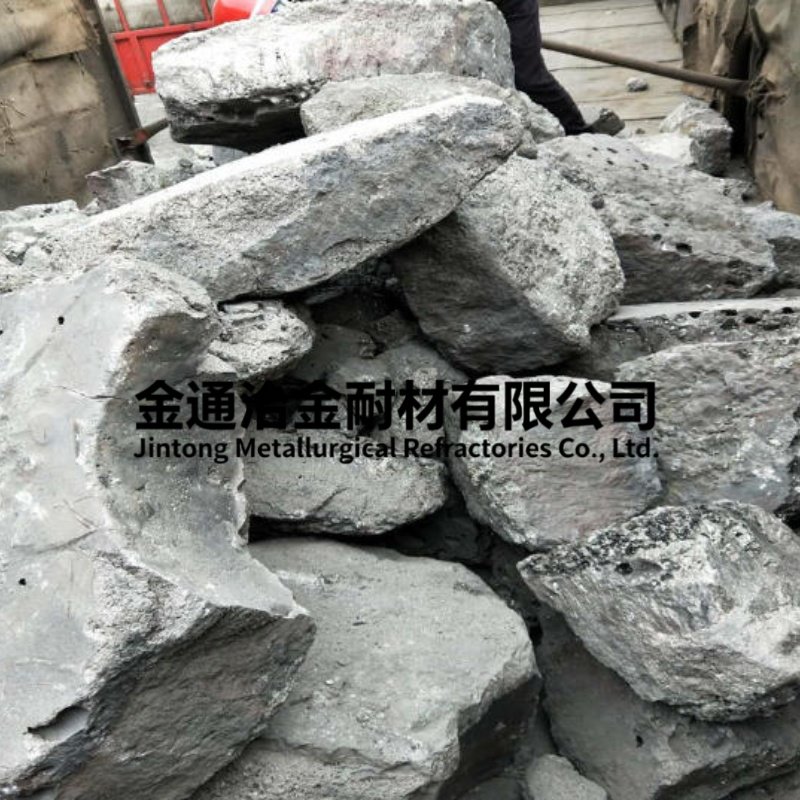

Keep the work area clean and free of dust. Regularly sweep and vacuum the floors to prevent the accumulation of ferro titanium dust. This reduces the risk of a dust explosion.
Chemical Compatibility
Be aware of the chemical compatibility of ferro titanium with other substances. It can react with certain chemicals, so avoid storing it near incompatible materials. For example, strong acids or alkalis can react with the alloy and release harmful gases.
Before using any cleaning agents or solvents in the area where ferro titanium is stored or handled, check their compatibility. Using the wrong chemical can not only damage the alloy but also pose a safety risk.
Training and Education
All employees who handle ferro titanium should receive proper training. They need to understand the properties of the alloy, the potential hazards, and the safety precautions. Training should cover everything from wearing PPE to proper handling and storage procedures.
Regular safety meetings can also be beneficial. These meetings can be used to discuss any new safety information, review procedures, and address any concerns that employees might have.
Emergency Response
Have an emergency response plan in place. In case of an accident, such as a fire, explosion, or chemical spill, employees should know what to do. The plan should include evacuation routes, emergency contact numbers, and procedures for dealing with different types of emergencies.
Conduct regular emergency drills so that employees are familiar with the response procedures. This can save lives and minimize damage in case of an actual emergency.
Related Ferroalloys
If you're interested in other ferroalloys, we also supply Ferrop Hosphorus, Ferro Vanadium, and Ferro Niobium. Each of these alloys has its own unique properties and safety requirements.
Conclusion
Handling ferro titanium safely is of utmost importance. By following these safety precautions, you can protect yourself, your employees, and your workplace. Whether it's wearing the right PPE, storing the alloy properly, or having an emergency response plan, every step counts.
If you're in the market for high - quality ferro titanium or any of our other ferroalloys, I encourage you to reach out for a procurement discussion. We're here to provide you with the best products and ensure that you have all the information you need for safe handling.
References
- "Handbook of Ferroalloys"
- Industry safety guidelines for ferroalloy handling
