

Hey there! As a Ferro Niobium supplier, I've seen firsthand how this amazing alloy can transform the properties of steel. In this blog, I'm gonna dive into how the addition amount of Ferro Niobium influences the properties of steel.
Understanding Ferro Niobium
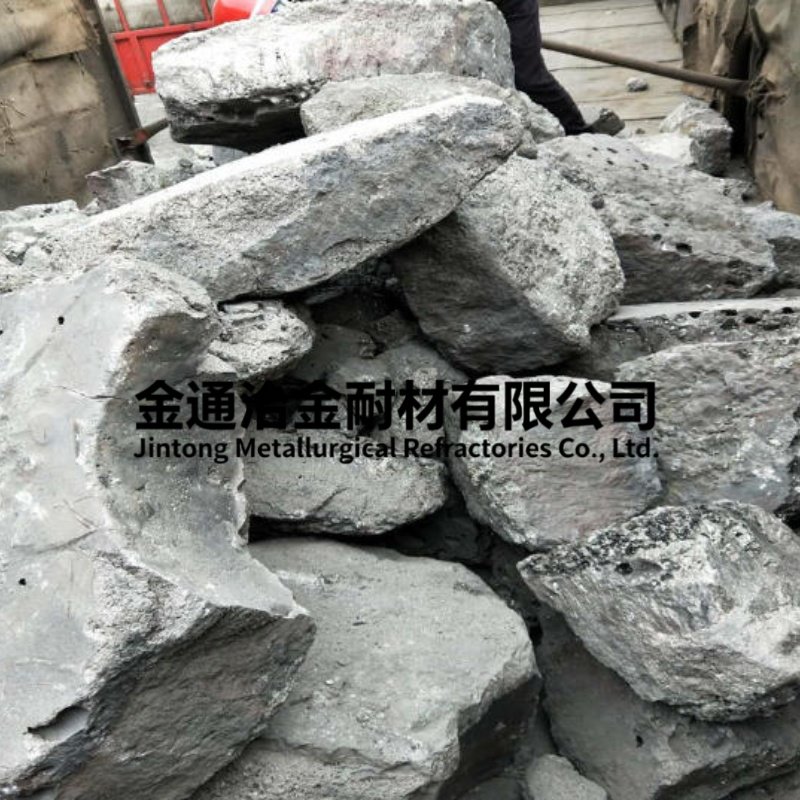
First off, let's talk a bit about Ferro Niobium. Ferro Niobium is an alloy composed mainly of niobium and iron. Niobium is a really cool metal that has some unique properties. When it's added to steel, it can have a big impact on how the steel behaves. You can learn more about it Ferro Niobium.
Influence on Strength and Hardness
One of the most significant effects of adding Ferro Niobium to steel is on its strength and hardness. When you add a small amount of Ferro Niobium, it can form fine niobium carbide and niobium nitride particles in the steel. These particles act as obstacles to the movement of dislocations within the steel's crystal structure.
As the addition amount of Ferro Niobium increases, more of these particles are formed. This means that there are more barriers for the dislocations to overcome, which in turn makes it harder for the steel to deform. So, generally speaking, increasing the amount of Ferro Niobium up to a certain point can lead to an increase in the strength and hardness of the steel.
However, it's not a linear relationship. If you add too much Ferro Niobium, the particles can start to cluster together. This clustering can actually reduce the effectiveness of the particles in hindering dislocation movement, and it might even cause some brittleness in the steel. So, finding the right addition amount is crucial.
Impact on Grain Size
Another important aspect is the influence on grain size. During the solidification and subsequent heat treatment of steel, the grains in the steel structure can grow. A large grain size can lead to reduced strength and toughness in the steel.
Ferro Niobium plays a key role in controlling grain size. The niobium in Ferro Niobium can pin the grain boundaries, preventing them from moving and thus restricting grain growth. As the addition amount of Ferro Niobium goes up, the pinning effect becomes stronger, resulting in a finer grain size.
A finer grain size is beneficial for several reasons. It improves the strength, toughness, and ductility of the steel. It also enhances the steel's resistance to fatigue and corrosion. But again, there's a limit. If you over - do it with the Ferro Niobium addition, other issues might arise, like the formation of unwanted phases.
Effect on Weldability
Weldability is a crucial property, especially in applications where steel parts need to be joined together. When it comes to the influence of Ferro Niobium addition on weldability, it's a bit of a double - edged sword.
A small amount of Ferro Niobium can actually improve weldability. The fine particles formed by the niobium can refine the microstructure in the heat - affected zone (HAZ) during welding. This refinement can enhance the strength and toughness of the HAZ, reducing the risk of cracking.
However, as the addition amount of Ferro Niobium increases, the risk of cold cracking in the weld area can go up. This is because the increased amount of niobium can lead to the formation of hard and brittle phases in the HAZ. So, when considering the addition amount of Ferro Niobium for steel that will be welded, careful balance is needed.
Comparison with Other Ferroalloys
It's also interesting to compare Ferro Niobium with other ferroalloys like Ferrop Hosphorus and Ferro Titanium.
Ferrop Hosphorus is mainly used to increase the strength and hardness of steel, but it can also have a negative impact on ductility and weldability. Ferro Titanium, on the other hand, is often used for deoxidation and grain refinement. While both Ferrop Hosphorus and Ferro Titanium have their own unique benefits, Ferro Niobium offers a more balanced improvement in multiple properties, especially when it comes to strength, grain size control, and weldability when used in the right amounts.
Finding the Optimal Addition Amount
So, how do you figure out the optimal addition amount of Ferro Niobium for a particular steel application? Well, it depends on a bunch of factors.
The type of steel is a major factor. Different steel grades have different compositions and requirements. For example, high - strength low - alloy (HSLA) steels might require a different addition amount of Ferro Niobium compared to stainless steels.
The intended application of the steel also matters. If the steel is going to be used in a high - stress environment, like in a bridge or a building, a higher addition amount of Ferro Niobium might be needed to achieve the required strength. But if weldability is a top priority, like in automotive manufacturing, a more conservative addition amount might be appropriate.
Conclusion and Call to Action
In conclusion, the addition amount of Ferro Niobium has a profound influence on the properties of steel. It can enhance strength, control grain size, and even affect weldability. But finding the right balance is essential to get the best results.
If you're in the market for Ferro Niobium and want to discuss how much to add for your specific steel application, I'd love to have a chat. Whether you're a steel manufacturer looking to improve your product quality or an engineer designing a new structure, I can provide you with the expertise and high - quality Ferro Niobium you need. Reach out to me, and let's start a conversation about how we can make your steel better.

References
- Smith, J. (2018). The Role of Niobium in Steel Alloys. Journal of Metallurgy, 25(3), 123 - 135.
- Johnson, A. (2019). Influence of Ferroalloys on Steel Properties. Steel Research International, 32(2), 89 - 98.
- Brown, C. (2020). Weldability of Niobium - Containing Steels. Welding Journal, 45(4), 201 - 210.
