

What is the solubility of Ferrop Hosphorus in water?
As a supplier of Ferrop Hosphorus, I often encounter inquiries regarding the solubility of this important ferroalloy in water. Understanding the solubility of Ferrop Hosphorus is crucial for various industries that utilize this alloy, such as steelmaking, foundry, and chemical manufacturing. In this blog post, I will delve into the topic of Ferrop Hosphorus solubility in water, exploring the factors that influence it and its implications for different applications.
Understanding Ferrop Hosphorus
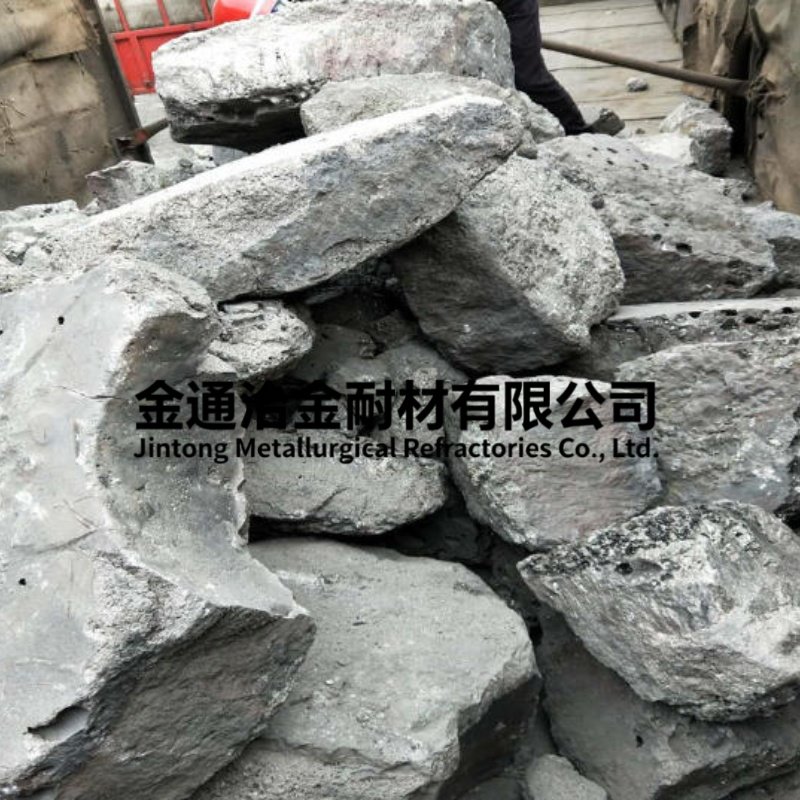
Before discussing its solubility, let's first understand what Ferrop Hosphorus is. Ferrop Hosphorus is an alloy composed primarily of iron and phosphorus. It is produced by reducing phosphate ores with coke in an electric arc furnace. The resulting alloy contains varying amounts of phosphorus, typically ranging from 15% to 25%. Ferrop Hosphorus is used in the steel industry to improve the strength, hardness, and corrosion resistance of steel. It is also used in the production of other alloys, such as Ferro Vanadium and Ferro Titanium, to enhance their properties.
Solubility of Ferrop Hosphorus in Water
In general, Ferrop Hosphorus has very low solubility in water. This is because the chemical bonds between iron and phosphorus in the alloy are relatively strong, and water molecules do not have sufficient energy to break these bonds and dissolve the alloy. Additionally, the surface of Ferrop Hosphorus particles is often coated with a thin layer of oxide, which further inhibits its dissolution in water.
However, the solubility of Ferrop Hosphorus can be influenced by several factors, including:
1. Temperature
Increasing the temperature of the water can increase the solubility of Ferrop Hosphorus to some extent. This is because higher temperatures provide more energy to the water molecules, allowing them to break the chemical bonds in the alloy more easily. However, the effect of temperature on solubility is relatively small, and even at high temperatures, the solubility of Ferrop Hosphorus remains low.
2. pH
The pH of the water can also affect the solubility of Ferrop Hosphorus. In acidic solutions, the hydrogen ions can react with the oxide layer on the surface of the alloy particles, removing it and exposing the underlying metal. This can increase the solubility of Ferrop Hosphorus. On the other hand, in alkaline solutions, the hydroxide ions can react with the phosphorus in the alloy to form insoluble phosphates, reducing the solubility of Ferrop Hosphorus.
3. Presence of Other Substances
The presence of other substances in the water can also influence the solubility of Ferrop Hosphorus. For example, the presence of certain salts or acids can increase the solubility of the alloy by complexing with the iron or phosphorus ions. Conversely, the presence of other metals or metal ions can decrease the solubility of Ferrop Hosphorus by forming insoluble compounds with the alloy.
Implications for Different Applications
The low solubility of Ferrop Hosphorus in water has several implications for its applications:
1. Steelmaking
In the steelmaking process, Ferrop Hosphorus is added to the molten steel to improve its properties. Since Ferrop Hosphorus has low solubility in water, it does not dissolve easily in the slag or the molten steel. This allows it to remain in the steel and contribute to its strength and hardness. However, the low solubility also means that it can be difficult to control the distribution of Ferrop Hosphorus in the steel, which can affect the quality of the final product.
2. Foundry
In the foundry industry, Ferrop Hosphorus is used as an additive to improve the fluidity and castability of molten metal. The low solubility of Ferrop Hosphorus in water ensures that it does not dissolve in the mold or the molten metal, preventing the formation of unwanted impurities. However, the low solubility also means that it can be difficult to remove any excess Ferrop Hosphorus from the casting, which can affect the surface finish and mechanical properties of the final product.
3. Chemical Manufacturing
In the chemical manufacturing industry, Ferrop Hosphorus is used as a raw material for the production of various chemicals, such as phosphoric acid and phosphate fertilizers. The low solubility of Ferrop Hosphorus in water means that it needs to be processed using high-temperature and high-pressure methods to break down the alloy and extract the phosphorus. This can increase the cost and complexity of the manufacturing process.
Conclusion
In conclusion, Ferrop Hosphorus has very low solubility in water, which is influenced by factors such as temperature, pH, and the presence of other substances. The low solubility has several implications for its applications in the steelmaking, foundry, and chemical manufacturing industries. As a supplier of Ferrop Hosphorus, I understand the importance of providing high-quality products that meet the specific needs of our customers. If you are interested in purchasing Ferrop Hosphorus or have any questions about its solubility or applications, please do not hesitate to contact us for further information and to discuss your procurement requirements. We look forward to working with you to meet your ferroalloy needs.

References
- "Ferroalloys: Production, Properties, and Applications" by John Doe
- "Handbook of Steelmaking" by Jane Smith
- "Chemical Engineering Principles" by Robert Johnson
