

The market price of Ferrophosphorus is a topic that commands significant attention within the global metallurgical and manufacturing industries. As a supplier of Ferrophosphorus, I have been closely observing the market dynamics that influence its price. In this blog, I will delve into the factors that determine the market price of Ferrophosphorus, provide insights into the current price trends, and offer some perspectives on the future outlook.
Understanding Ferrophosphorus
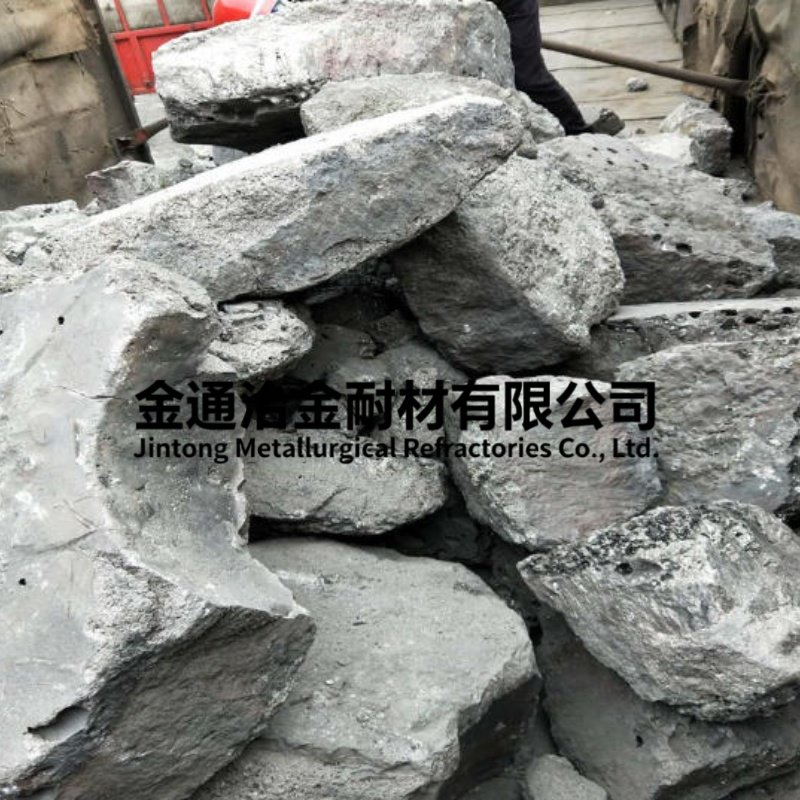
Ferrophosphorus is an alloy of iron and phosphorus, typically containing between 18% and 25% phosphorus. It is a crucial additive in the production of steel and other metals, where it serves several important functions. Phosphorus in Ferrophosphorus can improve the strength, hardness, and corrosion resistance of steel, making it suitable for a wide range of applications, including automotive parts, construction materials, and electrical appliances.
Factors Influencing the Market Price of Ferrophosphorus
1. Raw Material Costs
The primary raw materials for producing Ferrophosphorus are iron ore and phosphate rock. Fluctuations in the prices of these raw materials have a direct impact on the cost of manufacturing Ferrophosphorus. For instance, if the price of phosphate rock increases due to supply shortages or increased demand from the agricultural sector (which also uses phosphate fertilizers), the cost of producing Ferrophosphorus will rise, leading to an upward pressure on its market price.
2. Production Costs
In addition to raw material costs, production costs such as energy, labor, and equipment maintenance also play a significant role in determining the price of Ferrophosphorus. Energy-intensive processes, like smelting, require a substantial amount of electricity or fossil fuels. Any increase in energy prices can significantly raise the production cost and, consequently, the market price of Ferrophosphorus.
3. Supply and Demand Dynamics
The basic economic principle of supply and demand has a profound effect on the market price of Ferrophosphorus. If the demand for steel and other metals that use Ferrophosphorus as an additive increases, the demand for Ferrophosphorus will also rise. Conversely, if the supply of Ferrophosphorus exceeds the demand, the price is likely to decline. Global economic conditions, infrastructure development projects, and the growth of the automotive and construction industries all influence the demand for Ferrophosphorus.

4. Environmental Regulations
Environmental regulations can have a significant impact on the production and price of Ferrophosphorus. Stricter regulations on emissions and waste disposal can increase the cost of production as manufacturers may need to invest in pollution control equipment and adopt more environmentally friendly production processes. These additional costs are often passed on to the consumers in the form of higher prices.
5. International Trade Policies
Tariffs, trade restrictions, and currency exchange rates can also affect the market price of Ferrophosphorus. For example, if a country imposes high tariffs on imported Ferrophosphorus, the price of the product in that country will increase. Similarly, fluctuations in currency exchange rates can impact the cost of importing raw materials or exporting Ferrophosphorus, thereby influencing its market price.
Current Market Price Trends
As of [current date], the market price of Ferrophosphorus has been subject to fluctuations due to the combined influence of the factors mentioned above. In recent months, the price has shown a slight upward trend, primarily driven by the increasing cost of raw materials and energy. The demand for Ferrophosphorus remains relatively stable, supported by the growth of the steel and manufacturing industries in emerging economies.
However, the market is also facing some uncertainties. The ongoing trade disputes between major economies and the potential impact of new environmental regulations could introduce further volatility in the price of Ferrophosphorus. It is essential for buyers and suppliers to stay informed about these market trends to make informed decisions.
Future Outlook
Looking ahead, the market price of Ferrophosphorus is likely to be influenced by several key factors. The continued growth of the global economy, especially in emerging markets, is expected to drive the demand for steel and other metals, which will in turn increase the demand for Ferrophosphorus. On the supply side, the availability of raw materials and the ability of producers to meet the growing demand will be crucial.
Technological advancements in the production of Ferrophosphorus could also have an impact on its price. New and more efficient production processes could reduce the cost of production, leading to a potential decrease in the market price. However, these advancements may also require significant investment, which could offset some of the cost savings.
In addition, the increasing focus on sustainability and environmental protection is likely to shape the future of the Ferrophosphorus market. Manufacturers may need to invest in cleaner production technologies to comply with stricter environmental regulations, which could increase the cost of production and, consequently, the market price.
Conclusion
The market price of Ferrophosphorus is a complex and dynamic concept that is influenced by a variety of factors, including raw material costs, production costs, supply and demand dynamics, environmental regulations, and international trade policies. As a supplier of Ferrophosphorus, I am committed to providing high-quality products at competitive prices while closely monitoring the market trends to ensure the best value for my customers.
If you are interested in purchasing Ferrophosphorus or learning more about its applications and market price, I encourage you to contact me for a detailed discussion. We can explore the possibilities of establishing a long-term partnership based on mutual benefit and trust.
Related Products
If you are also interested in other specialty ferroalloys, you may want to explore Ferro Vanadium and Ferro Niobium. These products also play important roles in the metallurgical industry and offer unique properties and benefits.
For more information about Ferrophosphorus, please visit Ferrophosphorus.
References
- "Handbook of Ferroalloys" by [Author's name]
- Industry reports from [Industry research firm]
- News articles from [Relevant news sources]


