

Ferro niobium, an alloy composed primarily of iron and niobium, has emerged as a game - changer in the construction industry. As a leading supplier of ferro niobium, I've witnessed firsthand the transformative impact this alloy has on construction projects. In this blog, we'll explore the diverse applications of ferro niobium in the construction industry and understand why it has become an indispensable material.
Strengthening Reinforcement Bars
One of the most significant applications of ferro niobium in construction is in the production of reinforcement bars, commonly known as rebar. Rebar is used to reinforce concrete structures, providing them with the necessary strength to withstand various loads. When ferro niobium is added to the steel used for rebar, it forms fine niobium carbide and niobium nitride particles. These particles act as barriers to the movement of dislocations within the steel's crystal structure.
The presence of niobium in rebar significantly improves its yield strength, tensile strength, and ductility. Yield strength is the point at which the steel begins to deform permanently. By increasing the yield strength, rebar can support heavier loads without undergoing plastic deformation. Tensile strength, on the other hand, is the maximum stress the rebar can withstand before breaking. Ferro niobium - enhanced rebar has a higher tensile strength, making it more resistant to failure under extreme conditions such as earthquakes or high - wind events.
Moreover, the improved ductility of rebar with ferro niobium allows it to bend and deform without fracturing. This is crucial in seismic - prone areas, where buildings need to be able to withstand the lateral forces generated during an earthquake. The addition of ferro niobium to rebar not only enhances the structural integrity of concrete buildings but also reduces the risk of catastrophic failures, ensuring the safety of occupants.
High - Strength Structural Steel
In addition to rebar, ferro niobium is also used in the production of high - strength structural steel. Structural steel is used in the construction of buildings, bridges, and other large - scale infrastructure projects. High - strength structural steel offers several advantages over conventional steel, including reduced weight, increased load - bearing capacity, and improved durability.
When ferro niobium is added to structural steel, it refines the grain structure of the steel. A finer grain structure results in improved mechanical properties, such as higher strength and toughness. High - strength structural steel with ferro niobium can be used to construct taller buildings with less material, reducing the overall cost of construction. For example, in the construction of skyscrapers, the use of high - strength structural steel allows architects and engineers to design more slender and efficient structures.
Bridges also benefit greatly from the use of high - strength structural steel with ferro niobium. The increased strength and durability of the steel make bridges more resistant to fatigue, corrosion, and environmental factors. This extends the lifespan of bridges and reduces the need for frequent maintenance and repairs.
Corrosion - Resistant Steel
Corrosion is a major problem in the construction industry, especially in coastal areas or environments with high humidity and pollution. Ferro niobium can be used to produce corrosion - resistant steel, which is highly desirable in such conditions. When added to steel, niobium forms a passive oxide layer on the surface of the steel, which acts as a barrier against corrosion.
This passive oxide layer prevents the penetration of oxygen and moisture, which are the main causes of corrosion. Corrosion - resistant steel with ferro niobium is commonly used in the construction of offshore platforms, marine structures, and buildings in coastal regions. The use of this type of steel not only increases the lifespan of these structures but also reduces the cost of maintenance and replacement.
Welding and Joining
Welding is a critical process in the construction industry, used to join steel components together. Ferro niobium can improve the welding properties of steel. When added to steel, niobium reduces the tendency of the steel to form brittle microstructures during welding. This is important because brittle microstructures can lead to cracking and failure of the welded joint.
By improving the welding properties of steel, ferro niobium ensures that welded joints are strong and reliable. This is particularly important in high - stress applications, such as the construction of bridges and high - rise buildings. The use of ferro niobium in welding also allows for the use of higher welding speeds, increasing the efficiency of the construction process.
Comparison with Other Ferroalloys
While ferro niobium offers numerous benefits in the construction industry, it's also important to compare it with other ferroalloys such as Ferro Titanium, Ferrop Hosphorus, and Ferro Vanadium. Each of these ferroalloys has its own unique properties and applications.
Ferro titanium is often used to deoxidize steel and improve its strength and toughness. It can also be used to refine the grain structure of steel, similar to ferro niobium. However, ferro niobium is more effective in improving the high - temperature strength and creep resistance of steel, making it more suitable for applications in high - stress and high - temperature environments.
Ferrop hosphorus is mainly used as a hardening agent in steel. It can increase the strength and hardness of steel but may also reduce its ductility. Ferro niobium, on the other hand, improves both strength and ductility, making it a more balanced choice for many construction applications.
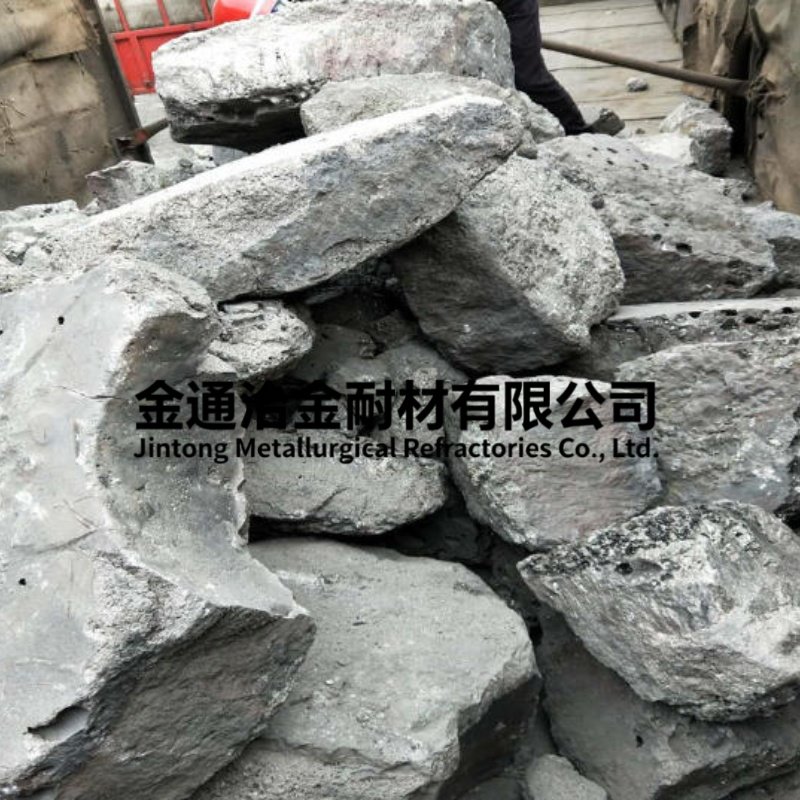

Ferro vanadium is used to improve the strength, toughness, and wear resistance of steel. It is particularly effective in high - strength low - alloy steels. While ferro vanadium and ferro niobium have some overlapping properties, ferro niobium is more cost - effective in many cases and offers better control over the grain structure of steel.
Conclusion
In conclusion, ferro niobium plays a vital role in the construction industry. Its ability to enhance the strength, durability, and corrosion resistance of steel makes it an essential material for a wide range of construction applications, from reinforcement bars and high - strength structural steel to corrosion - resistant steel and welding.
As a supplier of ferro niobium, I'm committed to providing high - quality products that meet the strict requirements of the construction industry. Our ferro niobium is produced using advanced manufacturing processes, ensuring consistent quality and performance.
If you're involved in a construction project and are looking for a reliable source of ferro niobium, I encourage you to reach out to us. We can provide you with detailed information about our products, including specifications, pricing, and delivery options. Our team of experts is also available to offer technical support and advice to help you make the best use of ferro niobium in your construction projects. Contact us today to start a discussion about your ferro niobium requirements.
References
- "Niobium in Steel" - International Niobium Study Center
- "The Role of Ferroalloys in Modern Steelmaking" - Steelmaking Journal
- "Construction Materials Science and Engineering" - Textbook on construction materials
