

As a Ferro Titanium supplier, I've been in the game long enough to know that reducing production costs is always on everyone's mind. It's not just about making more profit; it's about staying competitive in a tough market. In this blog, I'll share some practical ways we can cut down on the production cost of Ferro Titanium.
1. Raw Material Sourcing
The first and most obvious place to start is with the raw materials. Titanium and iron are the main ingredients in Ferro Titanium, and their prices can fluctuate wildly. One way to save money is to build long - term relationships with reliable suppliers. When you have a long - term deal, suppliers are more likely to offer you better prices.
Another option is to explore alternative sources of raw materials. Sometimes, there are lesser - known mines or suppliers that offer the same quality of titanium or iron at a lower cost. It takes some time and research, but it can pay off big time. For example, we've found that some small - scale mines in certain regions produce high - quality titanium ore at a fraction of the cost of larger, more well - known mines.
We also need to be smart about the quality of raw materials we buy. Sometimes, going for the highest - grade materials isn't always necessary. For Ferro Titanium production, there's a certain level of quality that's required, but we can often find a balance between quality and cost. By working closely with our R & D team, we can determine the minimum quality standards for our raw materials without sacrificing the quality of the final product.
2. Energy Efficiency
Energy is a major cost in Ferro Titanium production. The smelting process requires a lot of heat, and that means a lot of energy. To reduce energy costs, we can invest in more energy - efficient equipment. Newer smelting furnaces are designed to use less energy while still achieving the same results.
We can also implement energy management systems in our production facilities. These systems can monitor energy usage in real - time and identify areas where energy is being wasted. For example, if a particular part of the production line is using more energy than it should, the system can alert us, and we can take steps to fix the problem.
Another way to save energy is to optimize the production schedule. By running our production facilities during off - peak hours, we can take advantage of lower electricity rates. This might require some adjustments to our operations, but it can lead to significant savings over time.
3. Process Optimization
The production process itself can be a source of cost savings. We need to constantly look for ways to streamline the process and eliminate any unnecessary steps. For example, we can reduce the number of times the Ferro Titanium is transferred between different parts of the production line. Each transfer adds time and cost to the process.
Automation is another key factor in process optimization. By automating certain tasks, we can reduce the need for manual labor, which can be expensive. Automated systems can also be more precise, leading to less waste and higher - quality products. For instance, using automated robots to pour the molten Ferro Titanium into molds can reduce the risk of spills and improve the consistency of the final product.
We should also invest in quality control systems at every stage of the production process. By catching defects early, we can avoid having to rework or scrap the product, which saves both time and money.
4. Waste Reduction
Waste is not only bad for the environment but also for our bottom line. In Ferro Titanium production, there are several types of waste that we can try to reduce. For example, during the smelting process, there's often some slag that's produced. Instead of just throwing it away, we can look for ways to recycle it. Some of the elements in the slag can be recovered and reused in the production process.
We can also reduce waste by improving our inventory management. Overstocking raw materials can lead to spoilage and waste. By implementing a just - in - time inventory system, we can ensure that we have the right amount of raw materials at the right time, reducing the risk of waste.
5. Staff Training and Development
Our employees are a valuable asset, and investing in their training and development can lead to cost savings. Well - trained employees are more efficient and make fewer mistakes. We can provide regular training on new production techniques, safety procedures, and equipment operation.
When employees understand the production process better, they can often come up with their own ideas for cost savings. For example, an experienced worker might suggest a new way to operate a machine that uses less energy or produces less waste. By encouraging employee participation and innovation, we can create a culture of continuous improvement in our company.
6. Product Diversification
While our main product is Ferro Titanium, we can also consider diversifying our product line. By producing related products such as Ferro Vanadium, Ferro Niobium, and Ferrop Hosphorus, we can take advantage of shared resources and production facilities.
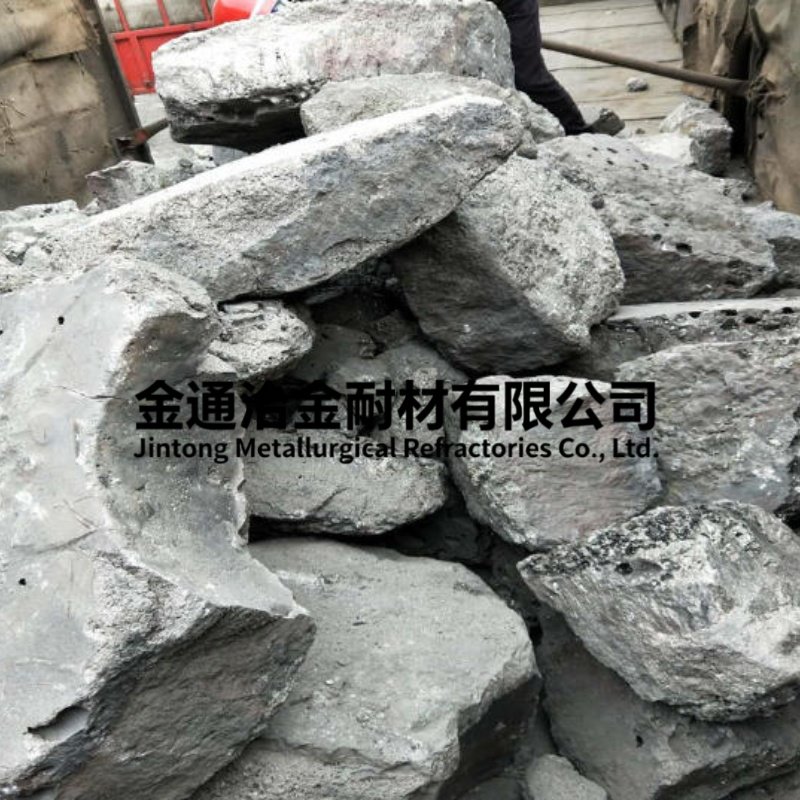

For example, some of the equipment and processes used in Ferro Titanium production can also be used for the production of these other ferroalloys. This can spread the fixed costs over a wider range of products, reducing the overall production cost per unit.
Conclusion
Reducing the production cost of Ferro Titanium is a complex but achievable goal. By focusing on raw material sourcing, energy efficiency, process optimization, waste reduction, staff training, and product diversification, we can make significant savings.
If you're interested in learning more about our Ferro Titanium products or have any questions about how we can work together to meet your needs, I encourage you to reach out to us for a procurement discussion. We're always looking for new partners and are confident that we can provide high - quality products at competitive prices.
References
- "Handbook of Ferroalloys" - A comprehensive guide on ferroalloy production and cost management.
- Industry reports on raw material prices and market trends.
- Research papers on energy - efficient smelting processes.


