

Hey there! I'm a supplier of Ferro Niobium, and today I wanna dig into a super interesting topic: how the magnetic property of Ferro Niobium changes with its composition.
First off, let's get a basic understanding of Ferro Niobium. It's an alloy that combines iron and niobium, and it's got some pretty important applications in the steel industry. Niobium helps to improve the strength, toughness, and corrosion resistance of steel. And as a supplier, I know how crucial it is to have a good grasp of its properties, especially the magnetic ones.
Now, let's talk about magnetism. Magnetism is all about the alignment of atomic magnetic moments. In simple terms, it's how the atoms in a material line up and create a magnetic field. Different materials have different magnetic properties, and these properties can change depending on the composition of the material.
When it comes to Ferro Niobium, the magnetic property is influenced by several factors related to its composition. One of the key factors is the ratio of iron to niobium. Iron is a ferromagnetic material, which means it can be magnetized easily and has a strong magnetic field. Niobium, on the other hand, is a paramagnetic material. Paramagnetic materials are weakly attracted to magnetic fields, but they don't retain their magnetization once the external field is removed.
As the proportion of iron in Ferro Niobium increases, the overall magnetic property of the alloy becomes more ferromagnetic. This is because there are more iron atoms available to align their magnetic moments and create a stronger magnetic field. For example, if we have a Ferro Niobium alloy with a high iron content, say 80% iron and 20% niobium, it will exhibit stronger magnetic behavior compared to an alloy with a lower iron content, like 60% iron and 40% niobium.
Another factor that can affect the magnetic property is the presence of impurities or other alloying elements. Sometimes, small amounts of other elements like titanium or phosphorus can be added to Ferro Niobium to enhance certain properties. For instance, Ferro Titanium can improve the strength and heat resistance of the alloy. Titanium is also a paramagnetic material, and its addition can change the magnetic interaction between the iron and niobium atoms. Similarly, Ferrop Hosphorus can affect the magnetic behavior. These impurities or additional alloying elements can either enhance or weaken the magnetic property of Ferro Niobium, depending on their concentration and how they interact with the iron and niobium atoms.
To understand how these changes in composition affect the magnetic property, we can use some scientific techniques. One common method is magnetic susceptibility measurement. This measures how easily a material can be magnetized in the presence of an external magnetic field. By measuring the magnetic susceptibility of different Ferro Niobium samples with varying compositions, we can get a quantitative idea of how the magnetic property changes.
Let's take a look at some real - world scenarios. In the steel - making process, the magnetic property of Ferro Niobium can have practical implications. For example, in some manufacturing processes where magnetic separation is used, the magnetic behavior of Ferro Niobium needs to be well - understood. If the alloy has a very strong magnetic property, it can be more easily separated from other non - magnetic materials. This can improve the efficiency of the production process and reduce costs.
But it's not always about having a strong magnetic property. In some applications, a more controlled or weaker magnetic property might be required. For example, in certain electronic devices where magnetic interference can be an issue, a Ferro Niobium alloy with a specific magnetic property needs to be selected. This is where our expertise as suppliers comes in. We need to be able to provide our customers with the right Ferro Niobium alloy with the desired magnetic properties based on their specific needs.
We also need to consider the changes in magnetic property over time. Factors like temperature and mechanical stress can affect the magnetic behavior of Ferro Niobium. As temperature increases, the thermal energy can cause the atoms to vibrate more randomly, which can disrupt the alignment of the magnetic moments and reduce the magnetic property. And mechanical stress, such as bending or stretching, can also change the internal structure of the alloy and affect its magnetism.

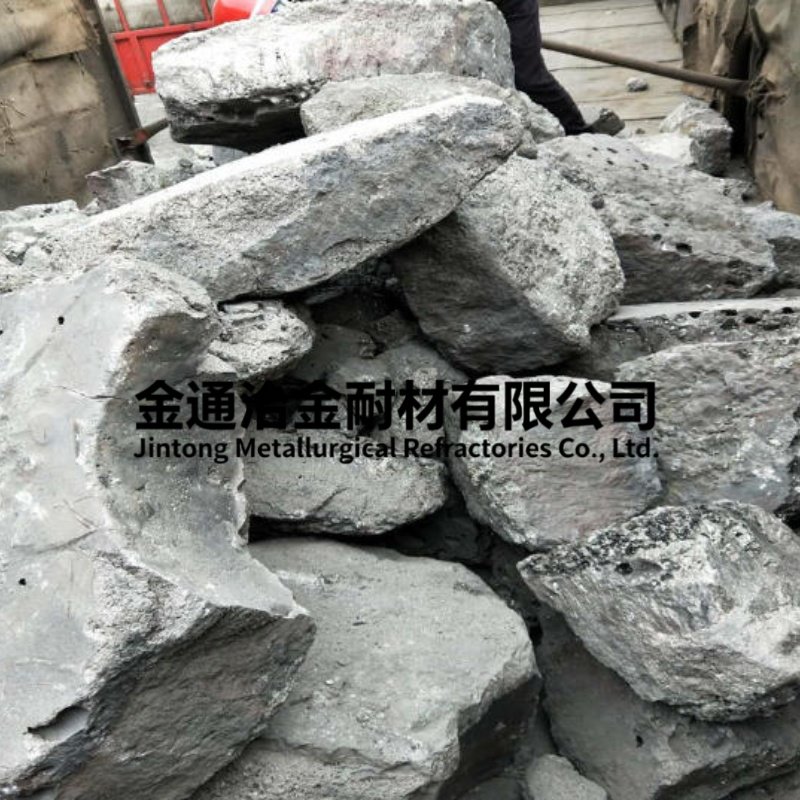
As a Ferro Niobium supplier, I've seen how different customers have different requirements for the magnetic property of the alloy. Some need a highly magnetic alloy for their industrial separation processes, while others need a low - magnetic alloy for electronic applications. That's why we offer a wide range of Ferro Niobium products with different compositions. Our team of experts is also always ready to help customers understand how the composition affects the magnetic property and choose the right product for their needs.
If you're in the market for Ferro Niobium and have questions about its magnetic property or composition, don't hesitate to reach out. We're here to have in - depth discussions with you about your specific requirements and help you find the perfect solution. Whether you're a small - scale manufacturer or a large - scale industrial enterprise, we've got the products and the knowledge to meet your needs. Let's start a conversation and see how we can work together to make your projects a success.
References
- Some textbooks on metallurgy discussing the properties of alloys
- Research papers on the magnetic behavior of transition metal alloys
- Industry reports on the applications of Ferro Niobium in different sectors
