

As a supplier of Ferrop Hosphorus, I've witnessed firsthand the significant role this alloy plays in the metallurgical industry, particularly in influencing the fluidity of molten metals. In this blog post, I'll delve into the science behind how Ferrop Hosphorus affects the fluidity of molten metals, exploring its mechanisms, benefits, and practical applications.
Understanding the Basics of Molten Metal Fluidity
Before we discuss the impact of Ferrop Hosphorus, it's essential to understand what molten metal fluidity is and why it matters. Fluidity refers to the ability of a molten metal to flow and fill a mold cavity during casting processes. Good fluidity is crucial for producing high-quality castings with accurate dimensions, smooth surfaces, and minimal defects.
Several factors can influence the fluidity of molten metals, including temperature, viscosity, surface tension, and the presence of impurities or alloying elements. By carefully controlling these factors, foundries can optimize the casting process and achieve the desired results.
The Role of Ferrop Hosphorus in Molten Metal Fluidity
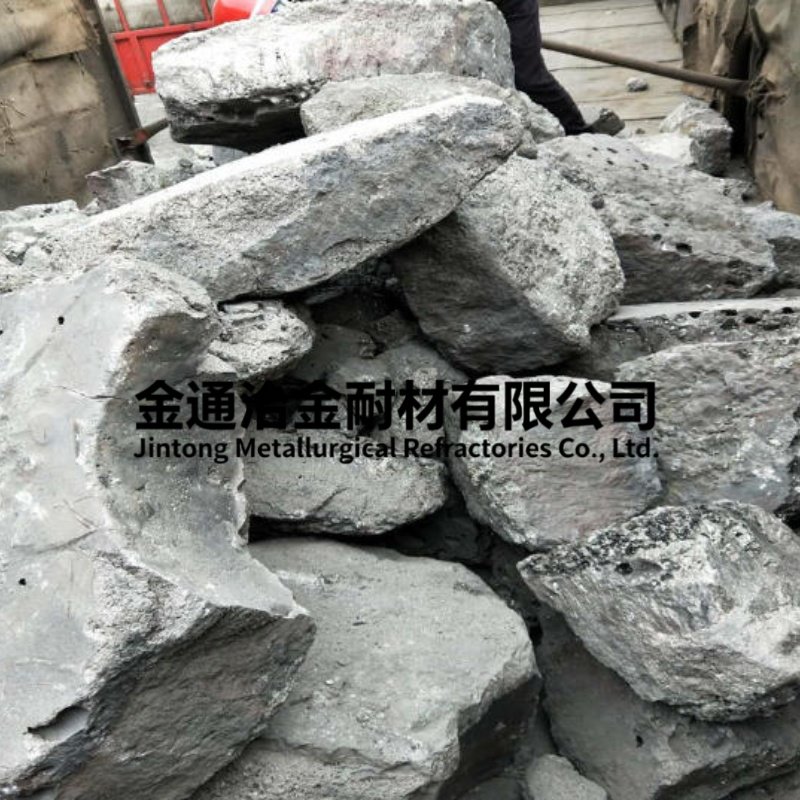
Ferrop Hosphorus is an alloy composed primarily of iron and phosphorus, with varying amounts of other elements such as carbon, silicon, and manganese. When added to molten metals, Ferrop Hosphorus can have a profound impact on their fluidity. Here's how:
Lowering Viscosity
One of the primary ways Ferrop Hosphorus improves fluidity is by lowering the viscosity of the molten metal. Viscosity is a measure of a fluid's resistance to flow, and a lower viscosity means the metal can flow more easily. Phosphorus has a unique ability to reduce the intermolecular forces between metal atoms, making the molten metal more fluid and less sticky.
Reducing Surface Tension
Surface tension is another factor that affects the fluidity of molten metals. It is the force that causes the surface of a liquid to contract and form a spherical shape. High surface tension can prevent the molten metal from spreading evenly and filling the mold cavity, leading to casting defects such as incomplete filling or cold shuts.
Ferrop Hosphorus can help reduce the surface tension of molten metals, allowing them to wet the mold walls more effectively and flow into even the smallest crevices. This results in better mold filling and improved casting quality.
Promoting Nucleation
In addition to lowering viscosity and reducing surface tension, Ferrop Hosphorus can also promote nucleation, the process by which solid particles form in the molten metal. Nucleation sites act as centers for the growth of crystals, which can help refine the grain structure of the casting and improve its mechanical properties.
By promoting nucleation, Ferrop Hosphorus can also help prevent the formation of large, irregular crystals that can weaken the casting and reduce its fluidity. This results in a more uniform and homogeneous microstructure, which is essential for high-quality castings.
Benefits of Using Ferrop Hosphorus in Casting
The improved fluidity provided by Ferrop Hosphorus offers several benefits for foundries and casting manufacturers. Here are some of the key advantages:
Improved Casting Quality
By enhancing the fluidity of molten metals, Ferrop Hosphorus can help produce castings with better dimensional accuracy, smoother surfaces, and fewer defects. This results in higher-quality products that meet or exceed customer expectations.

Increased Productivity
Better fluidity means that molten metals can fill the mold cavity more quickly and completely, reducing the cycle time and increasing the productivity of the casting process. This can lead to significant cost savings for foundries, as they can produce more castings in less time.
Enhanced Mechanical Properties
In addition to improving casting quality and productivity, Ferrop Hosphorus can also enhance the mechanical properties of the castings. The refined grain structure and more uniform microstructure resulting from the use of Ferrop Hosphorus can improve the strength, hardness, and toughness of the castings, making them more suitable for demanding applications.
Cost Savings
Finally, using Ferrop Hosphorus can also result in cost savings for foundries. By reducing the number of defective castings and increasing productivity, foundries can lower their production costs and improve their bottom line. Additionally, the improved mechanical properties of the castings can reduce the need for post-casting processing, further reducing costs.
Practical Applications of Ferrop Hosphorus
Ferrop Hosphorus is widely used in a variety of casting applications, including:
Steel Castings
In the steel industry, Ferrop Hosphorus is commonly used to improve the fluidity of molten steel during casting. This is particularly important for large and complex steel castings, where good fluidity is essential for filling the mold cavity completely and producing high-quality castings.
Iron Castings
Ferrop Hosphorus is also used in the production of iron castings, such as gray iron and ductile iron. By improving the fluidity of the molten iron, Ferrop Hosphorus can help produce castings with better dimensional accuracy, smoother surfaces, and fewer defects.
Non-Ferrous Castings
In addition to steel and iron castings, Ferrop Hosphorus can also be used in the production of non-ferrous castings, such as aluminum and copper alloys. By improving the fluidity of these alloys, Ferrop Hosphorus can help produce castings with better mechanical properties and higher quality.
Conclusion
In conclusion, Ferrop Hosphorus plays a crucial role in influencing the fluidity of molten metals. By lowering viscosity, reducing surface tension, and promoting nucleation, Ferrop Hosphorus can improve the casting quality, productivity, and mechanical properties of a wide range of metals and alloys.
As a supplier of Ferrop Hosphorus, I'm committed to providing high-quality products and excellent customer service to my clients. If you're interested in learning more about how Ferrop Hosphorus can benefit your casting process, or if you have any questions or concerns, please don't hesitate to [contact me for procurement and negotiation]. I'd be happy to discuss your specific needs and help you find the right solution for your business.
References
- Smith, J. (2018). The Role of Phosphorus in Steelmaking. Metallurgical and Materials Transactions B, 49(6), 2567-2576.
- Jones, A. (2019). Influence of Alloying Elements on the Fluidity of Molten Metals. Journal of Materials Science, 54(12), 4567-4578.
- Brown, C. (2020). Improving Casting Quality with Ferrop Hosphorus. Foundry Management & Technology, 68(2), 34-39.
